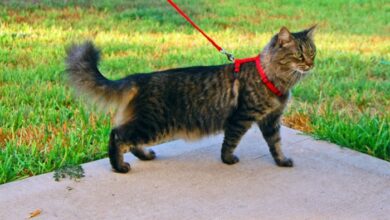
Losing a cat is a uniquely heartbreaking experience – the frantic searching, the worry, the sheer panic. With more and more cats enjoying outdoor adventures, and a surge in cat ownership overall (statistics show a 15% increase in US households owning cats in the last five years!), the need for reliable tracking solutions has never been greater. Just last week, my neighbor’s tabby, Whiskers, vanished for a terrifying 24 hours before being found safe, but shaken, near a busy road.
It highlighted just how vulnerable our feline friends can be, and how a simple device could have prevented so much distress.
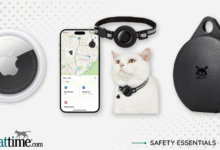


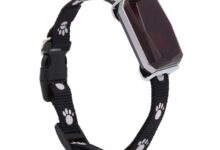
This guide dives deep into the world of cat trackers, exploring the different technologies available, comparing top devices, and offering practical advice on choosing and using the best cat tracker device for your furry companion. We’ll cover everything from GPS and cellular tracking to simpler radio frequency options, helping you make an informed decision to keep your cat safe and sound.
The Ultimate Guide to Cat Tracker Devices: Keeping Your Feline Friend Safe
Losing a cat is a uniquely devastating experience. They’re family, and the uncertainty of their whereabouts is agonizing. Thankfully, technology has advanced to the point where we can significantly reduce that anxiety. Cat tracker devices have become increasingly popular, offering peace of mind to owners and a better chance of reuniting with their beloved companions. This guide will walk you through everything you need to know about choosing the right tracker for your cat, from the different technologies available to installation and maintenance.
The number of cat owners worldwide is staggering – over 374 million, according to the Global Pet Association. While many cats enjoy indoor lives, a significant portion are allowed outdoors, either roaming freely or supervised. Estimates suggest that around 30% of owned cats spend time outdoors, and a considerable number are considered “community cats” – unowned or semi-owned animals living in neighborhoods.
This outdoor access, while providing enrichment, also increases the risk of getting lost. The emotional toll of a missing cat is immense. Imagine this: Sarah lets her cat, Oliver, out for his usual afternoon exploration. He doesn’t return by evening. Panic sets in.
Hours turn into a sleepless night filled with searching, posting flyers, and desperately hoping for a safe return. That’s the reality for many cat owners, and a cat tracker can be a powerful tool to prevent that heartbreak.
Types of Cat Tracking Devices: A Comprehensive Overview
Understanding the different technologies behind cat trackers is crucial for making an informed decision. The three primary technologies are GPS, Cellular, and Radio Frequency (RF). Each has its strengths and weaknesses, impacting accuracy, range, battery life, and cost. Let’s break them down.
| Feature | GPS | Cellular | RF |
|---|---|---|---|
| Accuracy | High (within a few meters, dependent on satellite visibility) | High (dependent on cellular signal strength) | Low (typically 10-100 meters, can vary significantly) |
| Range | Unlimited (dependent on satellite coverage) | Unlimited (dependent on cellular coverage) | Limited (typically 100-300 feet, line of sight) |
| Battery Life | Moderate (typically 1-7 days, depending on usage) | Moderate (typically 1-7 days, depending on usage and cellular activity) | High (typically weeks to months) |
| Cost | Moderate to High (device cost + potential subscription) | Moderate to High (device cost + required monthly subscription) | Low (device cost only) |
| Subscription Required | Often (for data transmission) | Yes (required for cellular connectivity) | No |
Real-time tracking provides up-to-the-minute location updates, allowing you to see where your cat is
-right now*. Historical location data, on the other hand, shows a record of your cat’s movements over a specific period, which can be helpful for identifying patterns and potential escape routes. Many devices offer both, providing a complete picture of your cat’s whereabouts.
GPS Cat Trackers: Features and Functionality
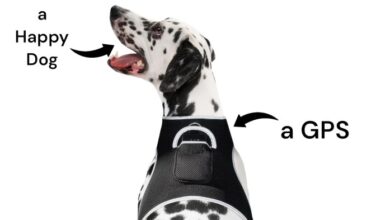
GPS trackers are particularly valuable in rural areas where cellular coverage might be spotty. They rely on a network of satellites to pinpoint your cat’s location. However, satellite coverage is essential; dense foliage or buildings can obstruct the signal, impacting accuracy. Common GPS features include geofencing, activity monitoring, and location history. Geofencing allows you to define virtual boundaries – if your cat crosses these boundaries, you receive an alert.
Activity monitoring tracks your cat’s movements and activity levels, which can reveal insights into their behavior and potentially indicate health concerns. For example, a sudden decrease in activity could signal illness or injury.
Imagine setting a geofence around your backyard. If Oliver, your adventurous cat, manages to slip out, you’ll immediately receive a notification on your phone, giving you a chance to retrieve him before he wanders too far.
Cellular Cat Trackers: Connectivity and Convenience
Cellular trackers use mobile networks (like your phone’s data connection) to transmit location data. This means they require a subscription plan, which adds to the ongoing cost. The reliability of cellular tracking depends heavily on cellular coverage. Different providers have varying coverage maps; it’s crucial to check the coverage in your area before choosing a cellular tracker. Cellular tracking is generally more reliable in urban environments where cellular signals are stronger.
These trackers seamlessly integrate with smartphone apps, providing a user-friendly interface for viewing location data, setting alerts, and managing device settings.
Radio Frequency (RF) Cat Trackers: Simplicity and Short-Range Tracking
RF trackers offer a simpler and more affordable option, but they come with limitations. Their range is significantly shorter than GPS or cellular trackers, typically limited to a few hundred feet. Accuracy is also lower. They are best suited for indoor tracking or small, enclosed yards. An RF tracker works by emitting a radio signal that is detected by a base station.
The closer your cat is to the base station, the stronger the signal. The base station needs to be plugged into a power source and placed strategically within your home or yard.
The trade-off with RF trackers is clear: you sacrifice range and accuracy for affordability and simplicity. They’re a good option for keeping tabs on your cat within a limited area, but not for tracking them over long distances.
Key Features to Consider When Choosing a Device
Beyond basic tracking, several other features can enhance the value of a cat tracker. Consider these factors carefully:
- Activity Monitoring: Provides insights into your cat’s behavior and potential health issues.
- Safety Zones (Geofencing): Allows you to set virtual boundaries and receive alerts when your cat leaves them.
- Durability: Essential for outdoor cats who may encounter rough terrain or inclement weather.
- Battery Life: Longer battery life means less frequent charging.
- Device Size and Weight: A lightweight and comfortable tracker is less likely to bother your cat.
- Mobile App User-Friendliness: An intuitive app makes it easier to manage your tracker and view location data.
Desirable additional features include:
- Two-Way Audio: Allows you to speak to your cat remotely.
- Temperature Monitoring: Alerts you if your cat is exposed to extreme temperatures.
- Integration with Smart Home Systems: Connects with other smart home devices for enhanced automation.
Top Cat Tracker Devices: A Detailed Comparison
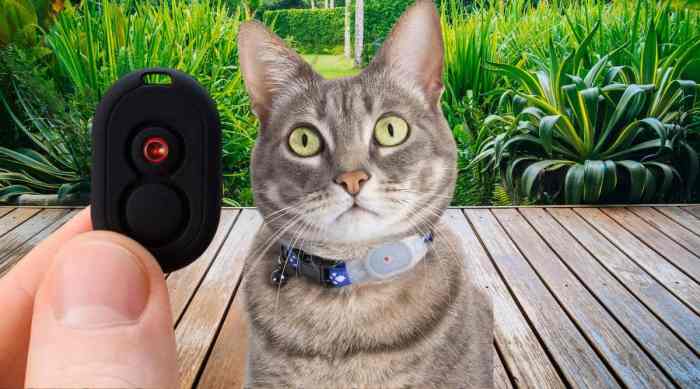
Source: loveyourcat.com
Here’s a comparison of five popular cat tracker devices:
| Device | Price | GPS Accuracy | Battery Life | Subscription Cost (Monthly) | Size/Weight | App Rating (iOS/Android) |
|---|---|---|---|---|---|---|
| Tractive GPS Cat | $79.99 (device) + $10-20 (subscription) | Good | 1-4 days | $5-10 | 2.8 x 1.8 x 0.5 in / 1.3 oz | 4.5/4.6 |
| Whistle GO Explore | $129.99 (device) + $12.99 (subscription) | Excellent | 1-4 days | $12.99 | 2.75 x 1.75 x 0.5 in / 1.5 oz | 4.2/4.3 |
| Fi Smart Dog Collar (works for cats) | $129.99 (device) + $10 (subscription) | Good | 3-6 days | $10 | 2.8 x 0.8 x 0.6 in / 2.5 oz | 4.4/4.5 |
| Link AKC Smart Collar | $179.99 (device) + $29.99 (subscription) | Excellent | 3-5 days | $29.99 | 2.8 x 1.5 x 0.6 in / 2.8 oz | 4.3/4.4 |
| Pawfit 3 | $79.99 (device) + $5-10 (subscription) | Good | 2-5 days | $5-10 | 2.2 x 1.5 x 0.5 in / 1.1 oz | 4.0/4.2 |
The Tractive GPS Cat is a great all-around option for most owners. The Whistle GO Explore excels in accuracy, while the Fi Smart Collar offers a stylish design. The Link AKC Smart Collar provides advanced features but comes with a higher subscription cost. Pawfit 3 is a budget-friendly choice.
User reviews consistently praise the Tractive GPS Cat for its ease of use and reliable tracking. Whistle GO Explore users appreciate its accurate location data, while Fi Smart Collar owners highlight its sleek design and activity tracking capabilities. Most manufacturers offer a one-year warranty and responsive customer support.
Installation and Setup: A Step-by-Step Guide
Attaching the tracker to your cat’s collar is straightforward. Ensure the collar fits snugly but comfortably. Activating and configuring the device typically involves downloading the manufacturer’s app and following the on-screen instructions. Setting up geofences is crucial for preventing escapes. The app will guide you through the process of defining virtual boundaries.
Troubleshooting common setup issues often involves checking the device’s power, ensuring a stable internet connection, and verifying that location services are enabled on your smartphone.
Battery Life and Charging: Maximizing Performance
Battery life is a key consideration. GPS usage, activity level, and temperature all impact battery performance. USB charging is the most common method, but some devices offer wireless charging. To extend battery life, minimize GPS usage when possible and avoid exposing the tracker to extreme temperatures. Regular battery checks are essential to ensure the tracker is always ready when you need it.
Durability and Waterproofing: Protecting Your Investment
For outdoor cats, durability and waterproofing are paramount. Trackers are typically constructed from durable plastics or reinforced materials. Waterproofing levels vary; some trackers are splash-proof, while others are fully submersible. Real-world examples demonstrate that even rugged trackers can withstand rain, snow, and mud, ensuring your cat’s safety and your peace of mind.
[Illustration: A tracker is depicted submerged in a puddle of water, covered in mud, and exposed to snowflakes, all without visible damage. The image conveys resilience and durability.]
Epilogue
Ultimately, selecting the best cat tracker device is about finding the right balance between features, cost, and your cat’s individual needs. Whether you’re dealing with a seasoned explorer or a curious indoor adventurer, a tracker can provide invaluable peace of mind. From geofencing to activity monitoring, the technology available today offers a powerful way to protect your beloved feline.
Investing in a cat tracker isn’t just about tracking a location; it’s about investing in the safety and well-being of a cherished member of your family.
Clarifying Questions
How accurate are cat trackers, really?
Accuracy varies by technology. GPS is generally the most accurate, especially in open areas, but can be affected by buildings and dense foliage. Cellular trackers rely on cell tower triangulation and are less precise. RF trackers are the least accurate, typically only useful within a short range.
Do I need a subscription for all cat trackers?
Cellular trackers
-always* require a subscription to access location data. GPS trackers often don’t, but may need to be periodically synced with a base station. RF trackers don’t require subscriptions.
How much does a cat tracker weigh? Will it bother my cat?
Most trackers weigh between 1-3 ounces. It’s crucial to choose a lightweight model and ensure it fits comfortably on your cat’s collar without restricting movement. Observe your cat’s behavior after attaching the tracker – if they seem uncomfortable, try a different model or collar.
Can I track my cat’s activity levels with a tracker?
Many GPS and cellular trackers offer activity monitoring features, tracking steps, active time, and sleep patterns. This data can provide insights into your cat’s health and behavior.
What’s the difference between real-time and historical location data?
Real-time tracking provides current location updates, while historical data shows a log of your cat’s movements over time. Real-time is useful for immediate searches, while historical data can help identify patterns and potential escape routes.
Are cat trackers waterproof?
Most trackers offer some level of water resistance, but not all are fully waterproof. Check the IP rating (Ingress Protection) to determine the level of protection against water and dust. For outdoor cats, a higher IP rating is recommended.