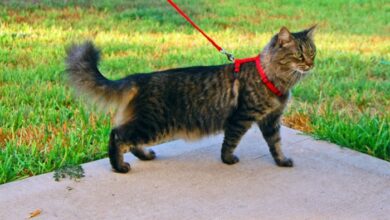
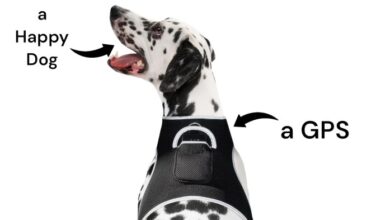
Losing a cat is a heart-wrenching experience. Whether they’re adventurous escape artists, enjoy exploring the great outdoors, or you simply want extra peace of mind, knowing their whereabouts can be invaluable. Did you know that cats recovered with tracking devices have a significantly higher chance of returning home safely than those without? We’ll dive into the world of cat tracking, exploring different technologies, key features, and top recommendations to help you keep your furry companion safe and sound.
The options available can feel overwhelming, from simple Bluetooth finders to sophisticated GPS systems. Understanding the nuances of each technology – GPS, Bluetooth, and radio frequency (RF) – is crucial to making the right choice for your cat’s lifestyle and your budget. We’ll break down the pros and cons of each, along with practical advice on setup, usage, and even ethical considerations to ensure responsible tracking.
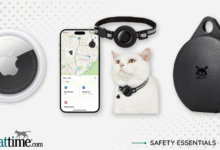


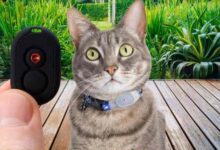
The Ultimate Guide to Cat Tracking Devices
Losing a cat is a nightmare scenario for any pet owner. Whether they’re skilled escape artists, enjoy exploring the great outdoors, or you simply worry about their safety, knowing their whereabouts can bring immense peace of mind. The good news is, technology has made it easier than ever to keep tabs on our feline friends. While recovery rates vary, studies show that cats with tracking devices are significantly more likely to be found quickly, often within hours, compared to those without.
Imagine this: Sarah’s adventurous tabby, Leo, slipped out the door during a delivery. Panic set in, but thanks to the GPS tracker she’d recently purchased, she was able to pinpoint his location just a few blocks away, safe and sound under a neighbor’s porch. This article will walk you through everything you need to know about cat tracking devices, from the different technologies available to choosing the right one for your furry companion.
Types of Cat Tracking Devices: A Comprehensive Overview
Choosing a cat tracking device can feel overwhelming with so many options available. The core difference lies in the technology used to pinpoint your cat’s location. We’ll break down the three main types: GPS, Bluetooth, and Radio Frequency (RF). Each has its strengths and weaknesses, impacting range, accuracy, battery life, and ultimately, cost. Understanding these differences is crucial for making an informed decision.
Comparing Tracking Technologies
Here’s a table summarizing the key characteristics of each technology:
| Technology | Range | Pros/Cons |
|---|---|---|
| GPS | Wide (miles, dependent on cellular coverage) | Pros: Long range, accurate location data, often includes activity tracking. Cons: Requires subscription (usually), can be expensive, battery life shorter than other options. |
| Bluetooth | Short (typically 30-100 feet) | Pros: Affordable, no subscription fees, easy to use. Cons: Very limited range, requires you to be nearby, relies on paired device. |
| Radio Frequency (RF) | Moderate (up to 1 mile, terrain dependent) | Pros: No subscription fees, longer range than Bluetooth, relatively inexpensive. Cons: Less accurate than GPS, susceptible to interference, requires a handheld receiver. |
Beyond the technology itself, consider the subscription model. Some GPS trackers require a monthly fee for cellular data and mapping services. Non-subscription devices, like Bluetooth and RF trackers, rely on local proximity or radio signals, eliminating ongoing costs but limiting functionality. Cellular tracking devices are particularly useful for cats who roam widely, as they can transmit location data even when outside of Bluetooth range.
GPS Tracking Devices: Features and Functionality
GPS tracking devices are the gold standard for long-range cat monitoring. They combine a GPS chip to determine location, a cellular modem to transmit data, a battery to power the system, and a durable casing to protect the components.
How GPS Works
The GPS chip receives signals from multiple satellites orbiting the Earth. By measuring the time it takes for these signals to arrive, the device can calculate its precise location. This data is then transmitted via the cellular network to a smartphone app, allowing you to see your cat’s location in real-time.
Geofencing: Creating Safe Zones
Geofencing is a powerful feature that allows you to define virtual boundaries. You can set up “safe zones” around your home or yard. If your cat leaves these zones, you’ll receive an immediate alert on your phone. This is incredibly useful for preventing escapes and ensuring your cat stays within a designated area. Imagine setting a geofence around your garden; you’ll be notified instantly if your cat ventures beyond it.
Locating a Cat: A Flowchart
Here’s a simplified flowchart illustrating the process:
- Cat moves outside geofence (or you manually check location).
- GPS chip determines location.
- Cellular modem transmits location data to server.
- Server sends data to your smartphone app.
- You view cat’s location on a map.
Bluetooth Trackers: Close-Range Monitoring

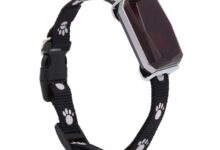
Source: walmartimages.com
Bluetooth trackers operate on a different principle. Instead of relying on satellites or cellular networks, they use proximity to locate your cat. They constantly emit a Bluetooth signal, and your smartphone (or a dedicated Bluetooth receiver) can detect this signal when you’re within range.
Bluetooth vs. Key Finders
Bluetooth trackers share similarities with key finders like Tile or Apple AirTag. However, cat-specific Bluetooth trackers are often smaller and lighter, designed to be more comfortable for cats to wear. They also often include features like a loud beeping sound to help you locate your cat within the house.
Limitations of Bluetooth
The primary limitation of Bluetooth trackers is their short range. They’re best suited for finding a cat who’s hiding somewhere within your home or a small yard. They also rely on a paired device (your smartphone) to function, meaning you need to have your phone with you to track your cat.
A Practical Scenario
Picture this: Your cat, Whiskers, loves to hide in the tightest spots. You’ve searched everywhere, but can’t find him. A Bluetooth tracker allows you to use your phone to ping the tracker, causing it to beep loudly, guiding you directly to Whiskers’ hiding place.
Radio Frequency (RF) Trackers: Traditional Technology
RF trackers are a more traditional approach to cat tracking. They operate by transmitting radio signals from the tracker to a handheld receiver.
How RF Trackers Work
The tracker emits a radio signal, and the receiver picks up this signal, indicating the direction and approximate distance to the cat. The closer you are to the cat, the stronger the signal.
Comparing RF, GPS, and Bluetooth
RF trackers offer a middle ground between Bluetooth and GPS. They have a longer range than Bluetooth but are less accurate than GPS. They are also generally less expensive than GPS trackers and don’t require a subscription.
Mitigating Interference
RF signals can be susceptible to interference from other electronic devices. To minimize interference, try to avoid using the receiver near sources of electromagnetic radiation, such as microwaves or Wi-Fi routers.
Setting Up and Using an RF Tracker: A Step-by-Step Guide
- Attach the RF tracker to your cat’s collar.
- Turn on the handheld receiver.
- Turn on the RF tracker.
- Follow the signal strength indicator on the receiver to locate your cat.
Key Features to Consider When Choosing a Device
Selecting the right cat tracking device involves considering several key features.
Essential Features
Battery life is paramount – you don’t want a tracker that needs charging every day. Durability is also crucial, especially for outdoor cats who may encounter rough terrain. Size and weight are important to ensure the tracker is comfortable for your cat to wear.
Water Resistance and Ruggedness
Outdoor cats need a tracker that can withstand the elements. Look for a device that is water-resistant or even waterproof. A rugged casing will protect the tracker from scratches and impacts.
Activity Monitoring
Many trackers offer activity monitoring features, such as step counting and sleep pattern analysis. This data can provide valuable insights into your cat’s health and well-being.
Breed Considerations
Consider your cat’s breed and activity level. Active breeds like Bengals or Abyssinians may benefit from a tracker with longer battery life and more advanced activity tracking features.
Top Device Recommendations: A Comparative Analysis
Here’s a comparison of five popular cat tracking devices:
| Device Name | Technology | Price Range | Key Features |
|---|---|---|---|
| Tractive GPS Cat LTE | GPS | $80 – $120 (plus subscription) | Real-time GPS tracking, activity monitoring, geofencing, waterproof. |
| Whistle GO Explore | GPS | $70 – $100 (plus subscription) | GPS tracking, activity monitoring, health insights, waterproof. |
| Fi Smart Collar | GPS | $130 – $180 (plus subscription) | GPS tracking, activity monitoring, durable design, long battery life. |
| Tile Mate (Cat Accessory) | Bluetooth | $25 – $35 | Bluetooth tracking, loud beeping sound, easy to use. |
| SerenPet RF Cat Tracker | RF | $50 – $70 | RF tracking, no subscription fees, long range. |
Each device has its strengths and weaknesses. Tractive and Whistle offer comprehensive GPS tracking with activity monitoring, but require a subscription. Fi is known for its durability and long battery life. Tile is a budget-friendly option for close-range tracking, while SerenPet provides a subscription-free RF solution.
Device Setup and Usage: A Practical Guide
Setting up a GPS tracking device is typically straightforward.
- Download the device’s app on your smartphone.
- Create an account and follow the in-app instructions to pair the device with your phone.
- Attach the tracker securely to your cat’s collar.
- Create geofences within the app to define safe zones.
- Monitor your cat’s activity data within the app to identify any potential health concerns.
- Replace batteries as needed, following the manufacturer’s instructions.
Safety and Ethical Considerations
Prioritizing your cat’s safety and well-being is paramount.
Secure Attachment
Ensure the tracker is securely attached to your cat’s collar to prevent it from falling off.
Privacy Concerns
Be mindful of potential privacy concerns associated with GPS tracking. Avoid sharing your cat’s location data with unauthorized individuals.
Respecting Wildlife
If your cat is an outdoor explorer, be mindful of wildlife. Avoid using the tracker to harass or disturb animals.
“Responsible use of tracking devices is crucial. While they offer peace of mind, it’s important to respect your cat’s autonomy and avoid excessive monitoring that could cause stress or anxiety.”Dr. Emily Carter, Veterinarian
Alternatives to Traditional Tracking Devices
While tracking devices are effective, other options exist.
Microchipping
Microchipping is a permanent form of identification. If your cat is lost, a veterinarian or animal shelter can scan the microchip and contact you.
Smart Collars
Smart collars combine tracking features with other functionalities, such as activity monitoring and health alerts.
DIY Tracking Solutions
For tech-savvy owners, DIY tracking solutions using Raspberry Pi or Arduino boards are possible, but require significant technical expertise.
Final Summary
Ultimately, choosing the best tracking device for cats is about finding the right balance between technology, features, and your individual needs. From the accuracy of GPS to the convenience of Bluetooth and the affordability of RF trackers, there’s a solution out there for every cat owner. By carefully considering factors like battery life, durability, and activity monitoring, you can invest in a device that provides both peace of mind and valuable insights into your cat’s well-being, ensuring they’re always just a click away.
Remember, responsible tracking is key. Securely attaching the device, respecting wildlife, and being mindful of privacy are all important aspects of using these technologies ethically. With the right device and a little preparation, you can enjoy the freedom of letting your cat explore while knowing they’re always within reach.
FAQ
How accurate are GPS trackers for cats?
GPS trackers offer generally good accuracy, typically within a few meters in open areas. However, accuracy can be affected by obstacles like buildings and dense foliage.
Can Bluetooth trackers work through walls?
No, Bluetooth trackers have a very limited range (typically around 30-60 feet) and struggle to penetrate walls effectively. They’re best for finding cats within a house or small apartment.
What’s the difference between a subscription and non-subscription GPS tracker?
Subscription trackers require a monthly fee for cellular data to transmit location information. Non-subscription trackers often rely on Bluetooth or Wi-Fi and require you to be within range to track your cat.
How long does the battery last on a GPS cat tracker?
Battery life varies greatly, from a few days to several weeks, depending on usage and the device’s features. Look for devices with rechargeable batteries and consider the frequency of charging.
Are there any risks associated with using a GPS tracker on my cat?
Potential risks include privacy concerns (though reputable companies take data security seriously), signal interference in certain areas, and the possibility of the device getting caught on something and causing injury. Always ensure the device is securely attached and regularly inspected.
Can I use a tracking device to monitor my cat’s activity levels?
Many GPS trackers offer activity monitoring features, such as step counting and sleep tracking, which can provide valuable insights into your cat’s health and well-being.